


Best ERP Software in Dubai
Why Every Growing Business in Dubai Needs an ERP System in 2026
Why Every Growing Business in Dubai Needs an ERP System in 2026
Dubai's business environment rewards speed. Companies that can make decisions quickly, adapt to demand, and keep operations running without friction tend to pull ahead of competitors who are still juggling spreadsheets, disconnected software, and manual approvals. This is exactly the gap that ERP systems are built to close, and it explains why so many companies across the UAE are actively searching for the best ERP software in Dubai rather than continuing to patch together separate tools for finance, inventory, HR, and sales.
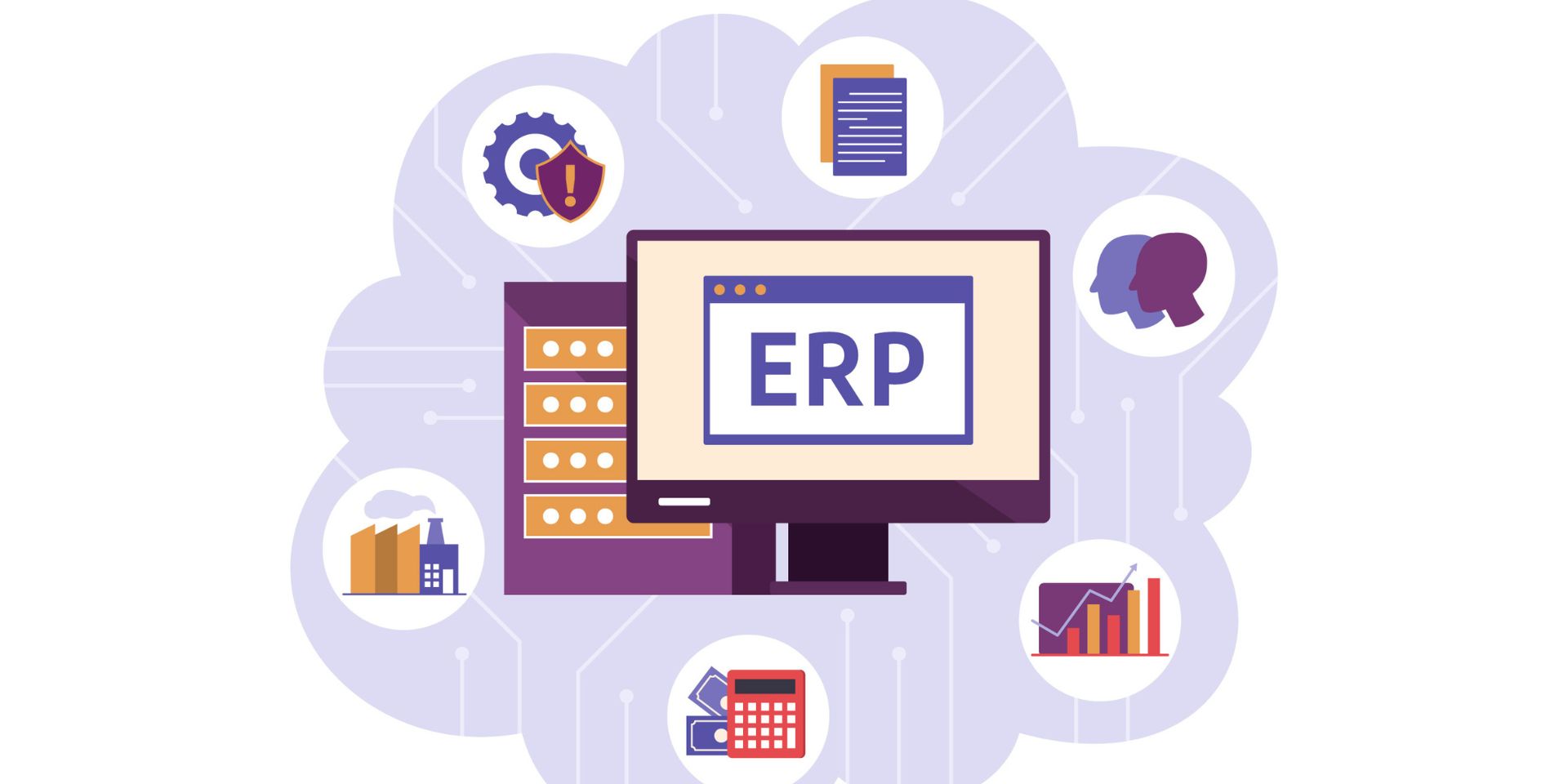
An Enterprise Resource Planning (ERP) system isn't just accounting software with a new name. It's a single platform where every department — finance, procurement, warehouse, HR, sales, and customer service — pulls from the same real-time data. When one department updates information, everyone downstream sees it instantly. No duplicate data entry, no waiting on someone else's spreadsheet, no end-of-month scramble to reconcile numbers that don't match.
The Real Cost of Not Having an ERP System
Many businesses don't realize how much time and money disconnected systems are quietly costing them until they calculate it. A few common symptoms show up again and again:
- Finance teams manually re-entering data that already exists in another system
- Inventory counts that don't match what's actually on the shelf
- Sales teams quoting prices that don't reflect current stock or supplier costs
- Reports that take days to compile because data lives in five different places
- Decisions delayed because leadership is waiting on someone to "pull the numbers"
None of these problems are dramatic on their own, but together they slow a business down in ways that compound over time — especially in a fast-moving market like Dubai, where competitors who move faster tend to win the deal.
What a Modern ERP System Actually Solves
1. One Source of Truth Instead of finance using one tool, inventory using another, and sales working off a separate CRM, everything lives in a single system. This alone eliminates a huge share of the manual reconciliation work that eats up staff time every week.
2. Real-Time Visibility for Leadership Business owners and managers can see current cash flow, stock levels, order status, and department performance without waiting for someone to compile a report. Decisions that used to take days can happen in minutes.
3. Automated Workflows Purchase approvals, invoice generation, low-stock alerts, and payroll processing can all be automated based on rules the business sets. This reduces human error and frees staff to focus on higher-value work instead of repetitive admin tasks.
4. Scalability Without Rebuilding Everything A well-designed ERP system grows with the business. Adding a new branch, a new product line, or a new department doesn't mean starting over — it means adding a module to a system that's already in place.
5. Better Compliance and Reporting With UAE VAT regulations and increasingly detailed financial reporting requirements, having accurate, centralized data makes compliance significantly easier than trying to assemble reports from multiple disconnected sources.
How to Evaluate ERP Software Before Choosing One
Not every ERP system is built the same way, and the "best" one depends heavily on the size and complexity of the business. Before committing, it's worth asking:
- Does it cover the specific modules the business actually needs (finance, HR, inventory, CRM, manufacturing, etc.), or is it a stripped-down version that will require upgrades soon?
- How well does it integrate with existing software already in use, such as accounting tools or e-commerce platforms?
- Is the system cloud-based, allowing access from multiple locations and devices?
- What does the implementation timeline realistically look like, and what support is provided after go-live?
- How is data security and role-based access handled, especially for sensitive financial and HR information?
A rushed ERP decision based purely on price often ends up costing more in the long run through poor fit, limited scalability, or weak support during implementation.
Implementation Is Where Most ERP Projects Succeed or Fail
Choosing software is only half the equation. How it's implemented determines whether a business actually gets value from it. A structured rollout typically includes:
- Assessment — mapping current workflows and pain points across departments before touching any software
- Planning — designing the system architecture and choosing which modules to prioritize first
- Configuration and Data Migration — setting up the system and carefully transferring existing data without loss or duplication
- Testing and Training — verifying accuracy and making sure staff actually know how to use the system day-to-day, not just in theory
- Ongoing Support — because business needs shift, and a good ERP partner adjusts the system as the company grows rather than disappearing after launch
Skipping any of these steps is one of the most common reasons ERP projects underdeliver — not because the software was wrong, but because the rollout wasn't managed properly.
Why This Matters More for Dubai-Based Businesses Specifically
Companies operating in Dubai often deal with multi-currency transactions, cross-border suppliers, VAT compliance, and rapid scaling that businesses in more static markets don't face as often. An ERP system built with these realities in mind — rather than a generic global template — tends to serve local businesses far better, particularly when it comes to compliance reporting and multi-branch or multi-warehouse management.
This is part of why sourcing the best ERP software in Dubai means looking beyond big-name global software and considering solutions built or configured specifically around how businesses actually operate in the UAE.
Getting Started
For a business still relying on spreadsheets, disconnected tools, or software that no longer fits its size, an ERP system isn't just an upgrade — it's often the difference between scaling smoothly and hitting an operational wall. The right system, properly implemented, pays for itself through the hours saved, the errors avoided, and the faster decisions it enables.
Businesses evaluating their options should treat the search for the best ERP software in Dubai as a long-term operational decision, not a quick software purchase — because the right system, chosen carefully, becomes the backbone the rest of the business runs on for years to come.